How the New £28 Billion Grid Investment Could Affect Your Energy Bills

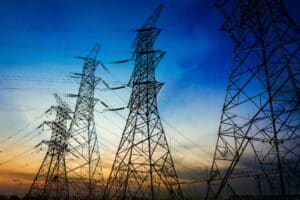
Ofgem has approved a £28 billion upgrade to rebuild the electricity and gas networks for the decades ahead. It is a scale of investment that signals both urgency and ambition. The grid is being prepared for electric vehicles, heat pumps, rooftop solar and the rising demands of a digital economy.

But for households, the question is simpler. What will this do to my bill?

Why the grid needs rebuilding

The existing network was built for another era. It was designed for a one-way flow of energy from power stations to homes. Today the system must handle millions of devices that generate, store or shift electricity. The pressure on cables, substations and transformers has grown. So has the cost of keeping them running.

Ofgem’s plan aims to expand capacity, speed up renewable connections and make the system more resilient. These upgrades are not optional. They are the foundation of a modern energy economy.

But rebuilding a national network shows up on household bills long before the benefits are fully felt.

The impact on what you pay

Network charges are expected to rise as investment ramps up. Some forecasts suggest a typical household could pay roughly one hundred pounds a year more by the early 2030s. The exact number may change, but the direction is clear.

This comes at a time when many families have only just recovered from steep price shocks. A new upward pressure on bills feels like a reminder of how exposed the UK remains to the structure of its energy system.

The investment is necessary. The cost is unavoidable. The challenge is understanding how to manage it.

Why home-based clean energy matters more now

When the grid becomes more expensive, the value of producing and storing energy at home becomes more obvious.

Solar panels and battery systems do something simple but powerful. They reduce the amount of electricity you take from the grid. They shift when you use energy. They cut your exposure to price rises driven by infrastructure costs or market volatility.

A smart heating system works in the same way. It uses energy when it is cheapest. It avoids the spikes. It gives the household more control than the grid can offer.

Home energy is not a replacement for national infrastructure. It is a counterbalance. It gives households a measure of stability in a system that is still adjusting to new demands.

What households can consider now

If you want to understand how these changes might affect your home, it is worth reviewing a few things.

Check how much of your usage is tied to peak periods.

Look at whether solar or a battery could reduce your reliance on the grid.

Consider whether your heating system is prepared for a future where electricity plays a larger role.

Stay alert to how suppliers adjust tariffs as network costs evolve.

Small steps can make a noticeable difference when the system around you is shifting.

The bigger picture

The grid upgrade is necessary for the country. It prepares the system for a cleaner, more electric future. But it also reminds us that the national energy transition comes with real costs, and those costs do not arrive evenly.

Households can wait for the system to steady. Or they can take part in reshaping their own share of it.

A stronger grid will help the country. Smarter homes will help the people who live in it.

What You Can Do Now

If you want help understanding how these changes might affect your home, or how to build more control into your energy use, speak with us. Good decisions start with clear information.

Share
Facebook
Twitter

More Blogs

Scroll to Top